Understanding Earring Gauges: What Gauge is a Regular Earring?
Introduction
Earring gauges play a crucial role in the world of jewelry, affecting both comfort and style. By understanding the standard gauge for regular earrings, you can ensure a better fit and improved comfort. This guide will dive into the intricacies of earring gauges and their relevance when choosing between hoop earrings and other styles.
What is an Earring Gauge?
Definition and Understanding Gauges
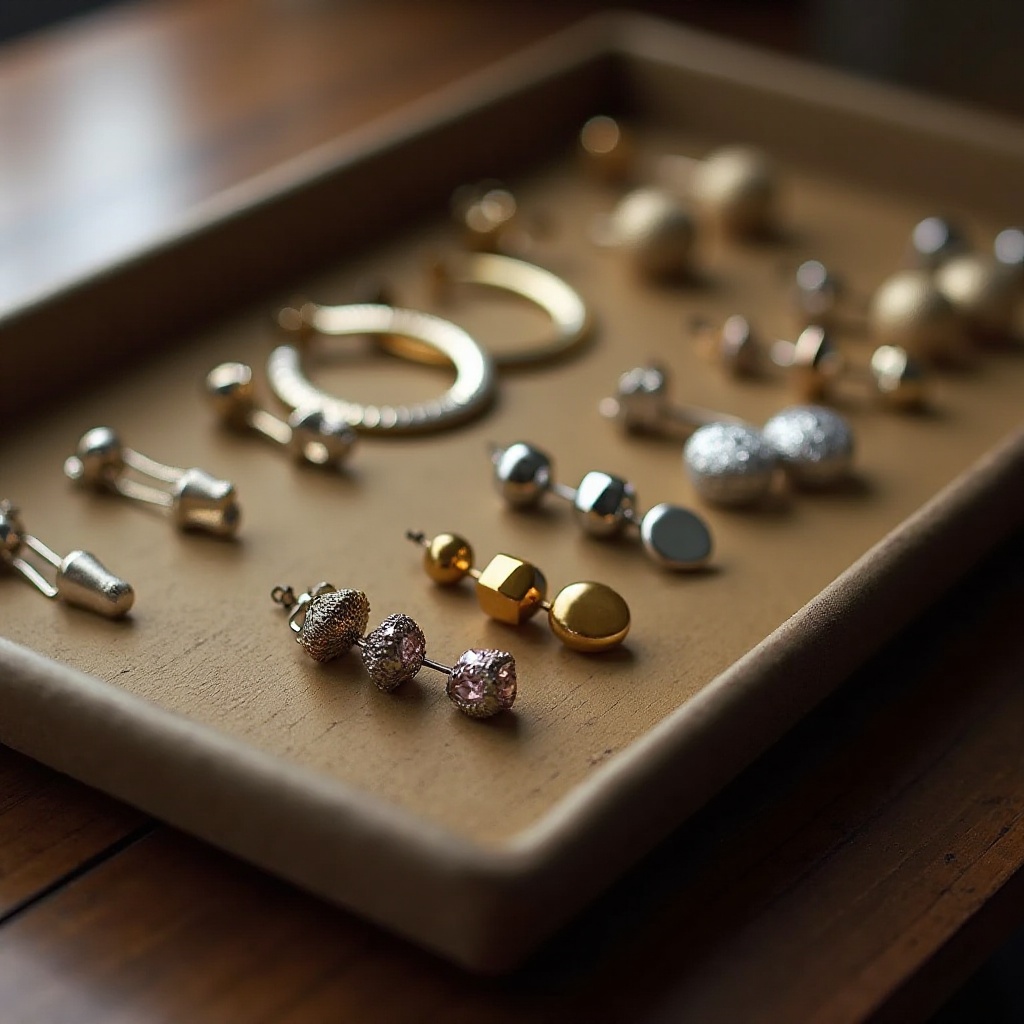
In jewelry talk, 'gauge' refers to the thickness of the earring post, influencing how they fit and feel. Earrings are measured in millimeters or by a standard gauge number system. Interestingly, lower gauge numbers mean thicker wires, while higher numbers indicate thinner wires. For instance, a 16-gauge earring is thicker than a 20-gauge one.
How Gauges Are Measured
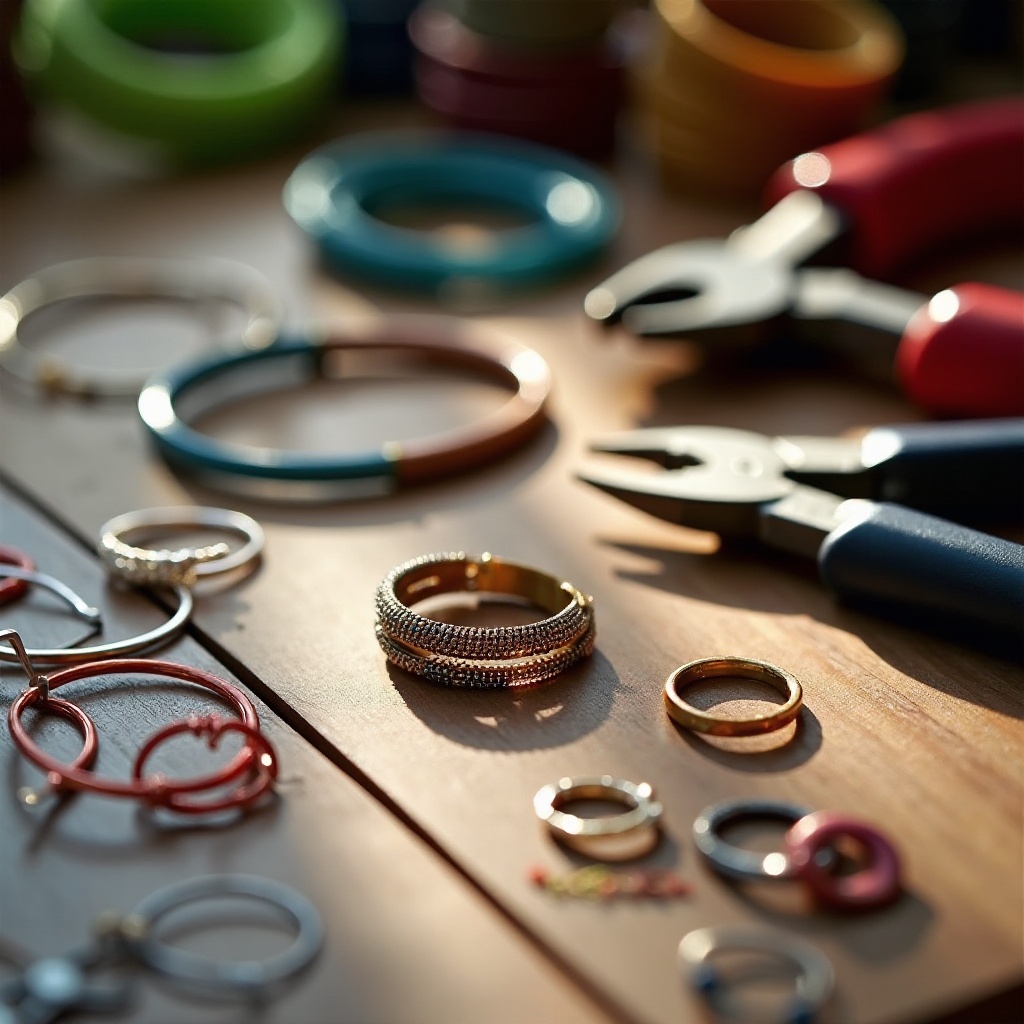
Earring gauges are generally measured using a caliper, a nifty tool for precision measurement of small items. Jewelers rely on this tool to ensure that the gauge meets industry standards. The measurement can also be done in millimeters where the gauge size is inversely related - as the gauge number decreases, the size in millimeters increases.
This knowledge of earring gauges helps further distinguish the differences between various earring types and gauge sizes, including those for hoops.
Standard Gauge Sizes for Regular Earrings
Common Gauge Sizes
For regular earrings, especially those designed for newly pierced ears, the most common gauges are between 16 to 20. The 18-gauge size is a popular choice due to its perfect balance between durability and comfort, making it a go-to for ear piercings and daily jewelry like studs and small hoops.
Gauge Differences in Various Earring Types
Depending on the earring type, gauge sizes can vary. For instance, cartilage piercings often use thicker gauges like 16 due to the extra durability needed. Lobe piercings, however, might use finer gauges such as 20 for enhanced comfort. It's crucial to match the gauge with the piercing location to avoid discomfort.
Understanding these sizes aids in selecting hoop earrings or transitioning between different earring styles seamlessly.
Gauges for Hoop Earrings vs. Other Earrings
Why Hoop Earrings Might Require Different Gauges
Hoop earrings showcase a wide array of styles and sizes, which can dictate the gauge choice. Larger hoops may need thicker posts for stability, while smaller hoops might go with a thinner gauge for a delicate vibe. The hoop's weight and size often decide the right gauge size to ensure comfort and the earring's integrity.
Comparing Gauges Across Earring Styles
Regular earrings such as studs often follow a more standard gauge size, but hoops can vary. Mini hoops might align with a 20-gauge size for ease of wear, whereas statement hoops, preferred for bold fashion choices, might use 16-gauge or thicker to support heavier materials or embellishments.
Recognizing these differences is key for any earring enthusiast who aims for both stylishness and comfort, thus leading to wise selections.
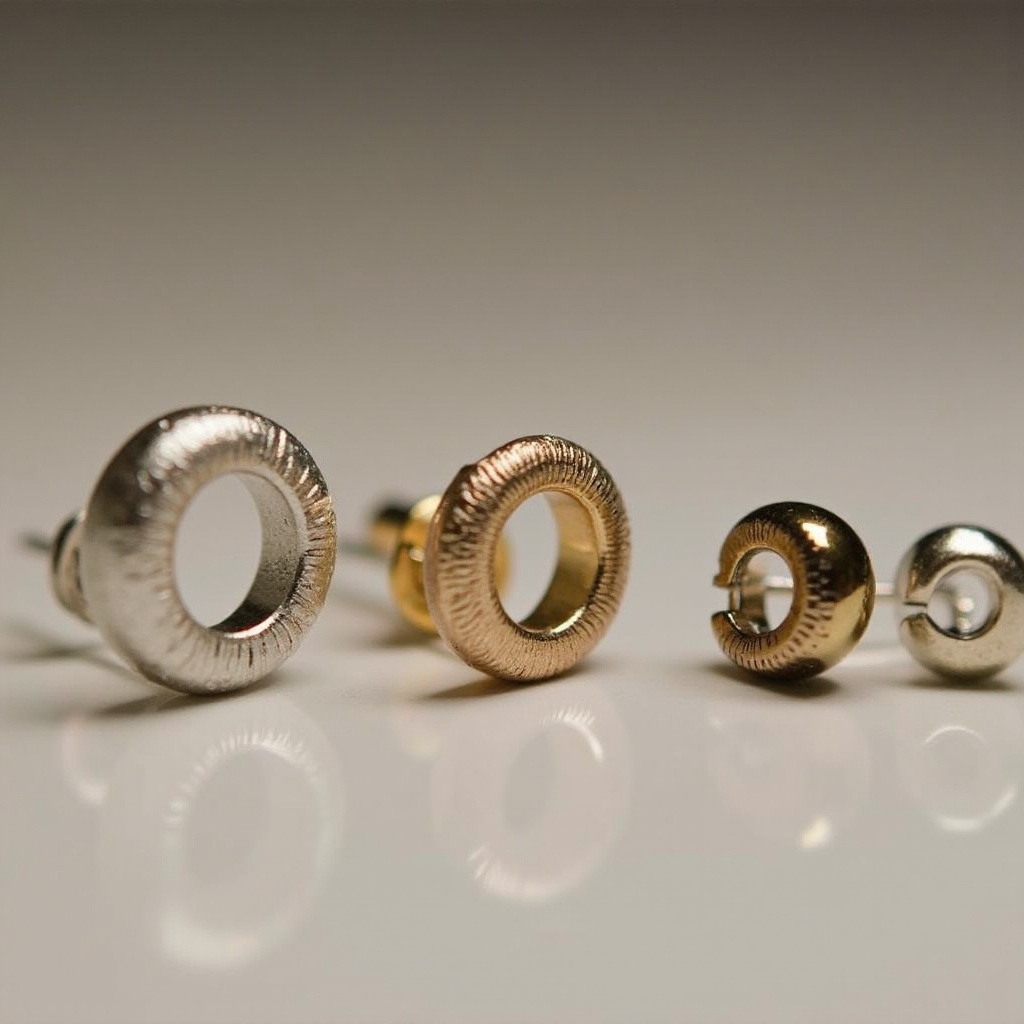
Choosing the Right Gauge For Your Earrings
Factors to Consider When Selecting a Gauge
Choosing the appropriate gauge involves considering several factors:
1. Piercing Type: From lobe to cartilage, different piercings require distinct gauges.
2. Jewelry Type and Style: Whether studs, hoops, or other earring styles, each can guide the best gauge choice.
3. Comfort: Over time, the earring's weight and thickness can affect comfort, necessitating an appropriate gauge.
4. Durability: Thicker gauges offer more durability, important for active lifestyles or heavy earrings.
Tips for Ensuring Comfort and Fit
- Consult a professional piercer when unsure about the correct gauge size.
- Consider hypoallergenic materials for sensitive ears, possibly impacting gauge size selection.
- Experiment with different gauge sizes if experiencing discomfort, starting with the standard 18-gauge.
By incorporating these considerations, earring shopping becomes more streamlined, ensuring that every earring fits comfortably and matches your style.
Troubleshooting Common Gauge Issues
What to Do If Your Earrings Don’t Fit
If your earrings don’t provide a comfortable fit, examine the gauge size. A post that is too thick might cause pain, while one that is too thin might not be secure enough. Consider changing to a slightly different gauge or consult a professional piercer for advice or resizing.
When to Seek Professional Help
When resizing or changing gauge sizes doesn’t resolve issues or leads to discomfort, professional advice becomes essential. A piercer can offer guidance on suitable gauges for your specific piercing, minimizing complications.
These troubleshooting steps ensure that your experience with earrings remains enjoyable and worry-free, paving the way to long-term satisfaction with your jewelry choices.
Conclusion
Understanding what gauge is a regular earring and its application across different earring types is crucial for maintaining both style and comfort. By focusing on the correct earring gauge, you ensure your jewelry is not only attractive but also feels good throughout the day. Consult a knowledgeable jeweler or piercer to explore the diverse world of earring gauges, and experiment with various sizes and styles until you find the perfect match for you.
Frequently Asked Questions
What gauge is a regular earring?
Regular earrings, especially for lobes, typically use an 18-gauge, which is common for new piercings and everyday wear.
How do I know what gauge my earrings are?
You can measure the gauge with a caliper or consult a jeweler, who can determine the thickness and advise on suitable gauge sizes.
Can I change the gauge of my earrings?
Yes, but it’s advisable to consult a professional when resizing or changing gauge sizes to ensure it matches your existing piercings.