The Ultimate Guide to Wire for Necklace Making in 2024
Introduction
Wire serves as the vital foundation in necklace making, transforming designs into wearable art. Selecting the correct wire enhances both aesthetic appeal and durability. Whether you are an experienced jewelry maker or just beginning your journey, understanding different wire types ensures you make informed decisions that elevate your creations. This guide will delve into various wire types, tools, techniques, and design inspirations to help you achieve outstanding results.
Understanding Different Types of Wire for Necklace Making
Choosing the appropriate wire involves understanding the available materials, which influence the final look and strength of your piece.
Common Wire Materials
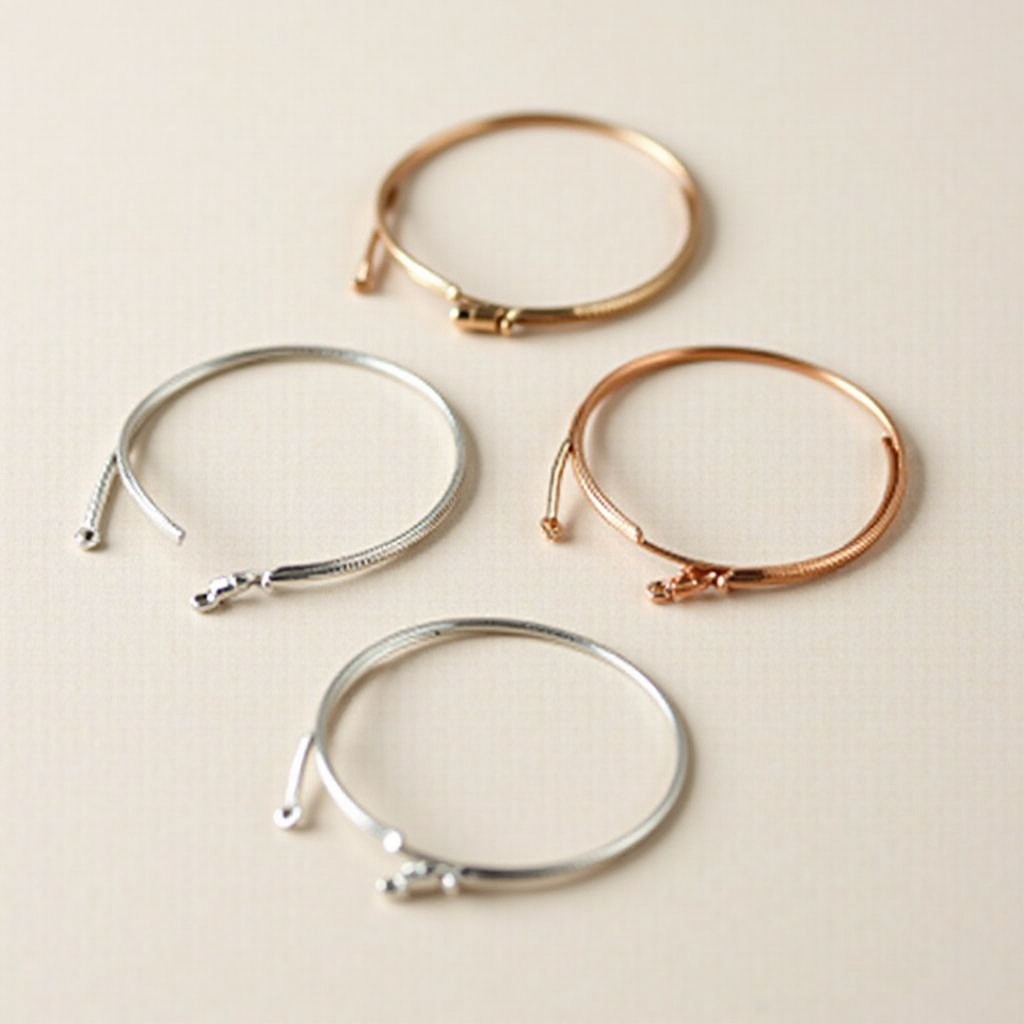
Metals like silver, copper, and gold-filled wires remain popular due to their unique qualities. Silver provides a timeless, elegant finish, while copper offers a striking, rustic appearance. Gold-filled wire delivers luxurious style without the expense, making it a favored choice for premium designs.
Wire Gauge and Its Impact
Wire gauge significantly influences flexibility and support. Lower gauges mean thicker, stronger wire suited for designs that need to bear weight. In contrast, higher gauges offer pliability, ideal for detailed, lightweight designs requiring intricate patterns.
Wire Flexibility and Durability
Wire temper, or hardness, determines its flexibility and durability. Soft wire allows for easy shaping suited for detailed work but might bend under pressure. Half-hard wire provides the perfect balance by offering flexibility with resilience, ideal for most designs needing robust structure.
Understanding these wire characteristics forms a solid foundation, laying the groundwork for the next stage in necklace making: selecting the perfect wire for your project.
Selecting the Best Wire for Your Necklace Design
With wire types in mind, consider the factors that will help you select the ideal wire for your specific design goals.
Factors to Consider
The complexity of your design and the weight of decorative elements like beads or pendants often dictate wire choice. Heavier projects demand stronger wire, while comfort considerations guide decisions regarding gauge and material to prevent discomfort for the wearer.
Matching Wire with Necklace Style
The necklace style plays an essential role in wire choice. Delicate chokers benefit from thin, soft gold-filled wire, lending an elegant, sophisticated look. Conversely, earthy designs may call for thicker copper wire, infusing a raw, natural appeal.
Budget Considerations
Consider wire costs when choosing materials. Copper often provides an affordable option, making it an excellent choice for beginners honing their skills. As experience grows, transitioning to more costly options like silver or gold-filled wire can elevate the quality of your pieces.
Making informed wire choices ensures that your jewelry not only embodies your artistic vision but also withstands the test of time.
Tools and Techniques for Working with Wire
Having selected your wire, using the right tools and mastering techniques ensures high-quality craftsmanship.
Essential Tools for Wirework
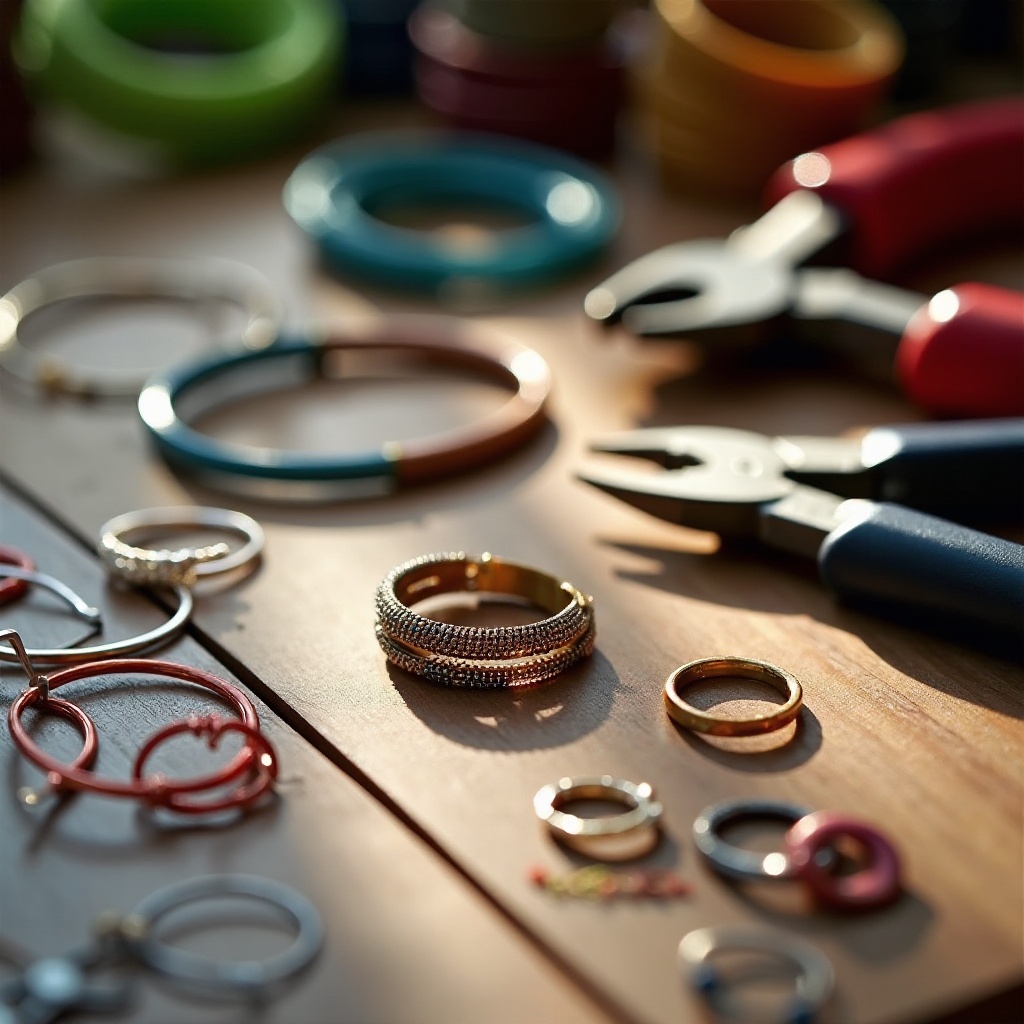
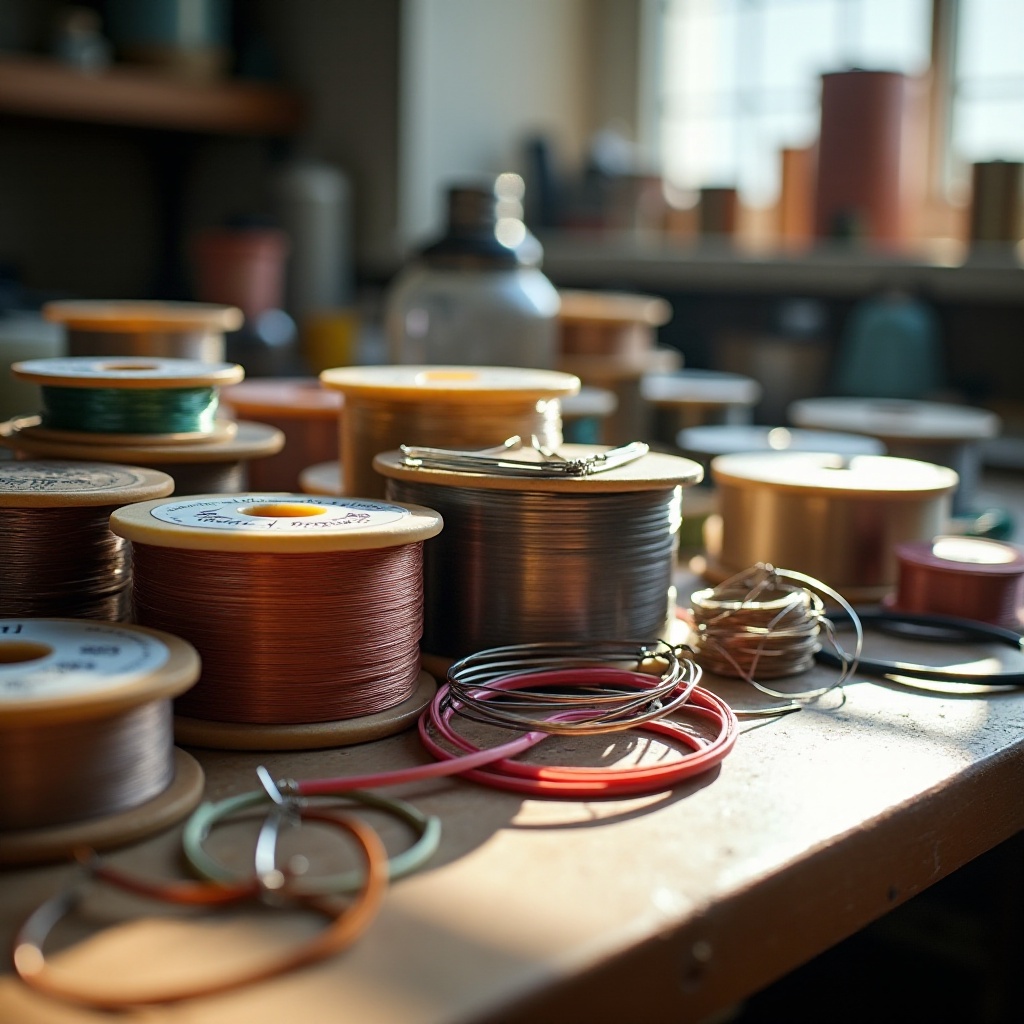
Acquire the basics: round-nose, flat-nose, and chain-nose pliers for shaping and cutting, as well as a quality wire cutter for precise cuts. A wire straightener can also prove helpful in eliminating pre-existing kinks.
Basic Wire Techniques: Wrapping, Twisting, and Coiling
Master fundamental techniques such as wire wrapping for securing components, twisting for texture, and coiling to add dimensional interest. These techniques serve as the building blocks for more complex designs.
Advanced Techniques for Creative Designs
With basics mastered, explore advanced methods like wire weaving and using multiple wires for complex designs. These techniques showcase creativity and sophistication, marking your work as unique.
Employing the right tools and techniques enables creativity and precision, distinguishing your designs from others.
Designing Unique Wire Necklaces
Creativity is limitless in necklace making. With skills honed, you can create stunning, unique pieces that reflect personal and artistic expression.
Inspirations for Unique Designs
Seek inspiration from nature, modern art, or fashion trends. Integrate asymmetry or bold color choices to differentiate your necklaces and leave a lasting impression.
Incorporating Beads and Pendants
Beads and pendants add character and charm to designs. Select wire colors and finishes that complement your embellishments to enhance the overall aesthetic without overpowering them.
Personalizing Your Necklace
Incorporate initials or symbols that hold special meaning to create personalized pieces with sentimental value. This not only personalizes but also adds weight to each creation.
Designing unique pieces with these elements ensures originality and helps connect the wearer with their jewelry.
Caring for Your Wire Necklaces
Proper jewelry care is vital to maintaining the beauty and longevity of your creations.
Maintenance Tips for Longevity
Inspect your necklaces regularly for signs of wear, especially at stress points, and conduct timely repairs to prevent damage.
Cleaning and Storing Wire Jewelry
Use a soft cloth to clean wire jewelry, removing oils and tarnish. Avoid contact with harsh chemicals, and store each piece separately to avoid tangling or scratching.
Preventing Tarnish and Damage
Keep necklaces away from moisture and fragrances to prevent tarnish. Including anti-tarnish strips in storage helps maintain their luster.
By adhering to these care guidelines, your wire jewelry will retain its allure and remain as captivating as the day it was made.
Conclusion
Creating necklaces with wire is a fulfilling process that blends artistic vision with practical skills. By understanding wire types and techniques, you can craft stunning, durable pieces. Your continued learning and experimentation will reflect your evolving expertise and personal style.
Frequently Asked Questions
What is the best kind of wire to use for necklace making?
The best wire depends on your design needs. Silver and gold-filled for elegance, copper for warmth, with a balance of thickness for durability.
How do I choose the right wire gauge for my necklace design?
Choose a lower gauge for strength in weighty designs and a higher gauge for delicate, detailed work to balance flexibility with support.
How can I prevent my wire necklaces from tarnishing?
Clean regularly, store away from moisture, and use anti-tarnish strips to keep your wire necklaces shiny and tarnish-free.