The Ultimate Guide to Strong Strings for Bracelets
Introduction
Selecting the right string is crucial when crafting a durable bracelet. The string serves as the foundation, supporting beads, charms, and intricate designs. Choosing a strong string is essential for ensuring the longevity and appearance of your jewelry. This guide explores the selection of robust strings for your projects, offering durability and style.
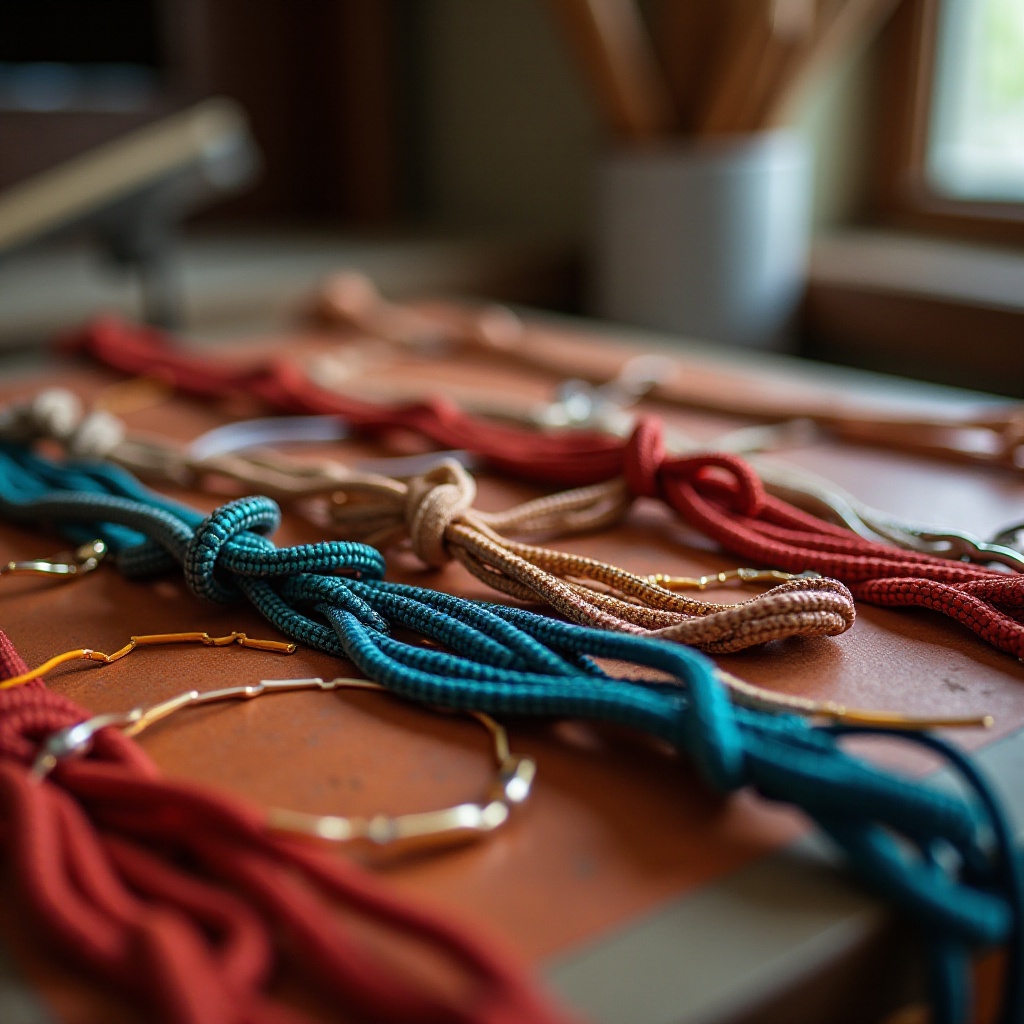
Understanding the Importance of Strong Strings
A bracelet's strength lies in its string, which determines its durability. A strong string ensures that your piece withstands daily wear, minimizing breakage risks. Moreover, a resilient string enables intricate designs and supports heavier beads, broadening your creative possibilities.
Durable strings not only enhance the bracelet's longevity but also its functional and aesthetic appeal. By considering the string's strength alongside design compatibility and personal style, you can craft pieces that marry beauty and endurance.
Top Materials for Strong Bracelet Strings
Understanding which materials make the strongest bracelet strings is vital for making informed decisions:
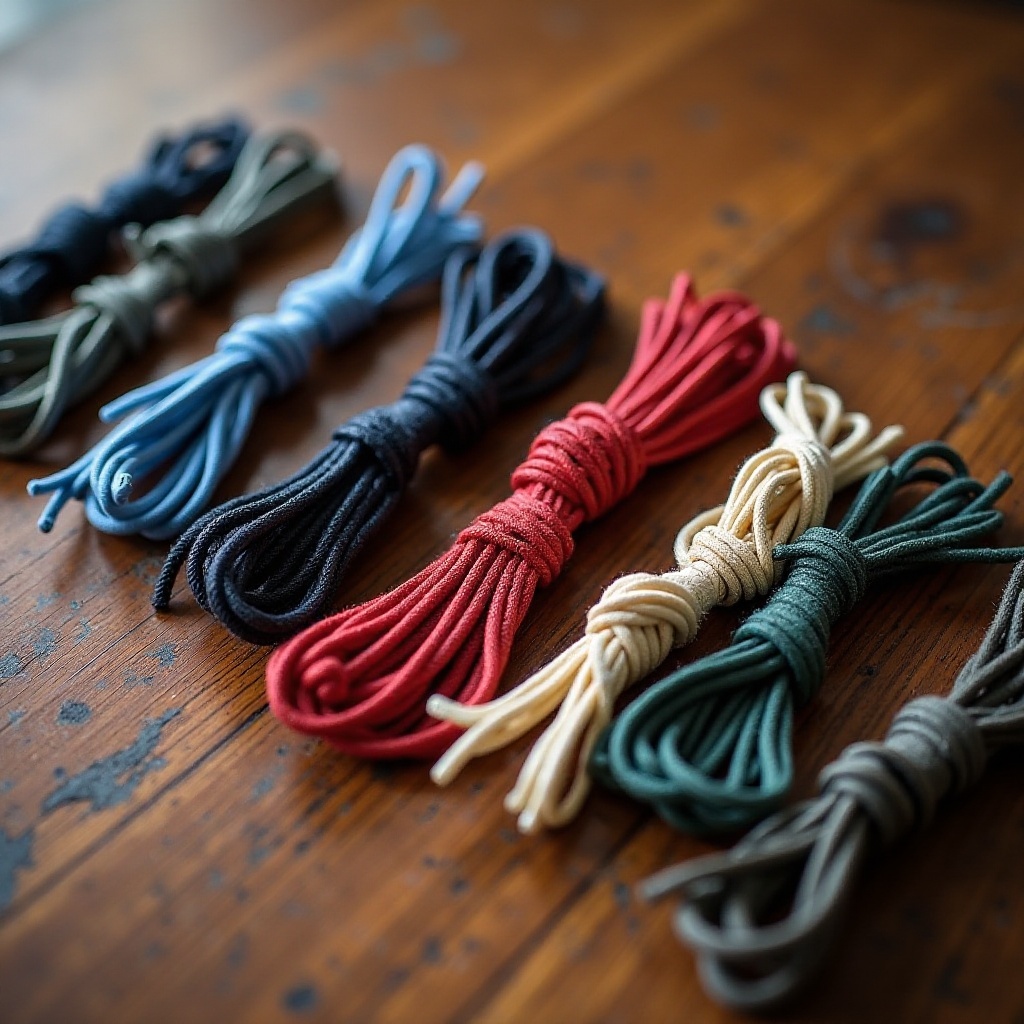
Nylon Cord: Renowned for its strength and flexibility, nylon is a favored choice. It resists fraying and offers various colors.
Elastic Cord: Perfect for stretch bracelets, these cords provide flexibility and strength, suitable for slip-on designs.
Leather Cord: Offers a rustic, natural look while providing robust support for heavier designs. Leather adds an earthy touch.
Silk Thread: Known for luxurious appeal, suitable for smaller beads and lighter designs, adding sophistication.
Nylon-Coated Steel Wire: Combines flexibility with maximum strength, ideal for heavy beads and metal-based designs.
By evaluating these materials, you can select the best option for your bracelet project.
Factors to Consider When Choosing Strong Strings
When deciding on a string, consider:
- Tensile Strength: Ensure the string can withstand daily wear stress.
- Durability: Choose materials resistant to fraying and breakage over time.
- Aesthetic Appeal: Pick a string that complements the overall design.
Careful consideration of these factors leads to a professional, stylish, and enduring bracelet.
Tips for Crafting with Strong Strings
Using strong strings in your bracelets requires specific techniques:
Knotting Techniques: Learn secure knots to prevent your creation from unraveling. Practice various styles and select the best for your material.
Bead Compatibility: Ensure string fits smoothly through beads to reduce stress.
Maintenance and Care: Regular checks and proper storage can extend the bracelet's life. Clean gently and store in a cool, dry place.
These crafting tips will boost the quality and durability of your bracelets, making them both practical and trendy.

Comparing Popular Brands for Strong Bracelet Strings
Choosing the right brand ensures quality and reliability in your bracelet strings:
Brand A Overview: Offers high-grade nylon cords in numerous colors and thicknesses, suiting various designs.
Brand B Overview: Specializes in sturdy elastic cords, providing excellent strength and versatility for stretchy pieces.
Brand C Overview: Compelling leather cords offer a natural touch with outstanding durability, perfect for rustic yet elegant styles.
Selecting a reputable brand helps guarantee your bracelet remains intact and attractive.
Conclusion
Choosing the right strong string is the first step in creating stunning and resilient bracelets. By understanding the material properties, considering crucial factors, and employing practical crafting techniques, you can produce jewelry that is both beautiful and enduring. Experiment with different strings and techniques, and don't hesitate to blend materials for truly unique designs.
Frequently Asked Questions
What is the best string for heavy bead bracelets?
Nylon-coated steel wire is ideal for heavy beads, offering combined flexibility and strength.
Can strong strings be fashionable and trendy?
Yes, many strong strings are available in various colors and finishes, allowing you to create modern, stylish designs.
How do I test the strength of a bracelet string?
Gently pull on the string using varying pressure levels to assess its tensile strength. Ensure it doesn't easily break under stress.