How to Determine Ring Size Without a Ring Sizer
Introduction
Finding the perfect ring size without a dedicated ring sizer may seem challenging, but it's completely manageable with a few household items and some simple steps. Whether you're looking to buy a new band ring for yourself or as a gift, the following methods will help ensure a perfect fit.
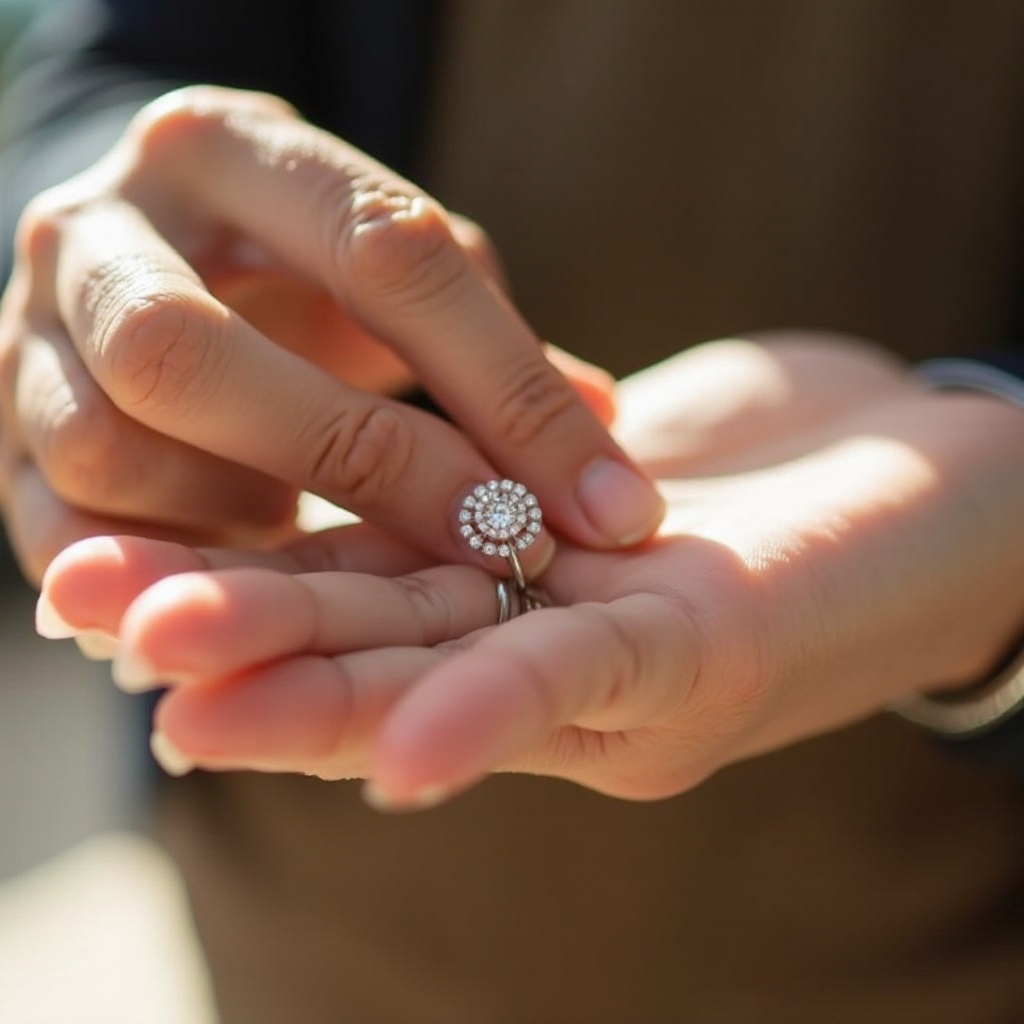
Method 1: Using a String or Floss
This method requires minimal materials and provides an accurate measurement when done correctly.
Materials Needed
- A piece of string or dental floss
- A ruler or measuring tape
- A pen or marker
Step-by-Step Instructions
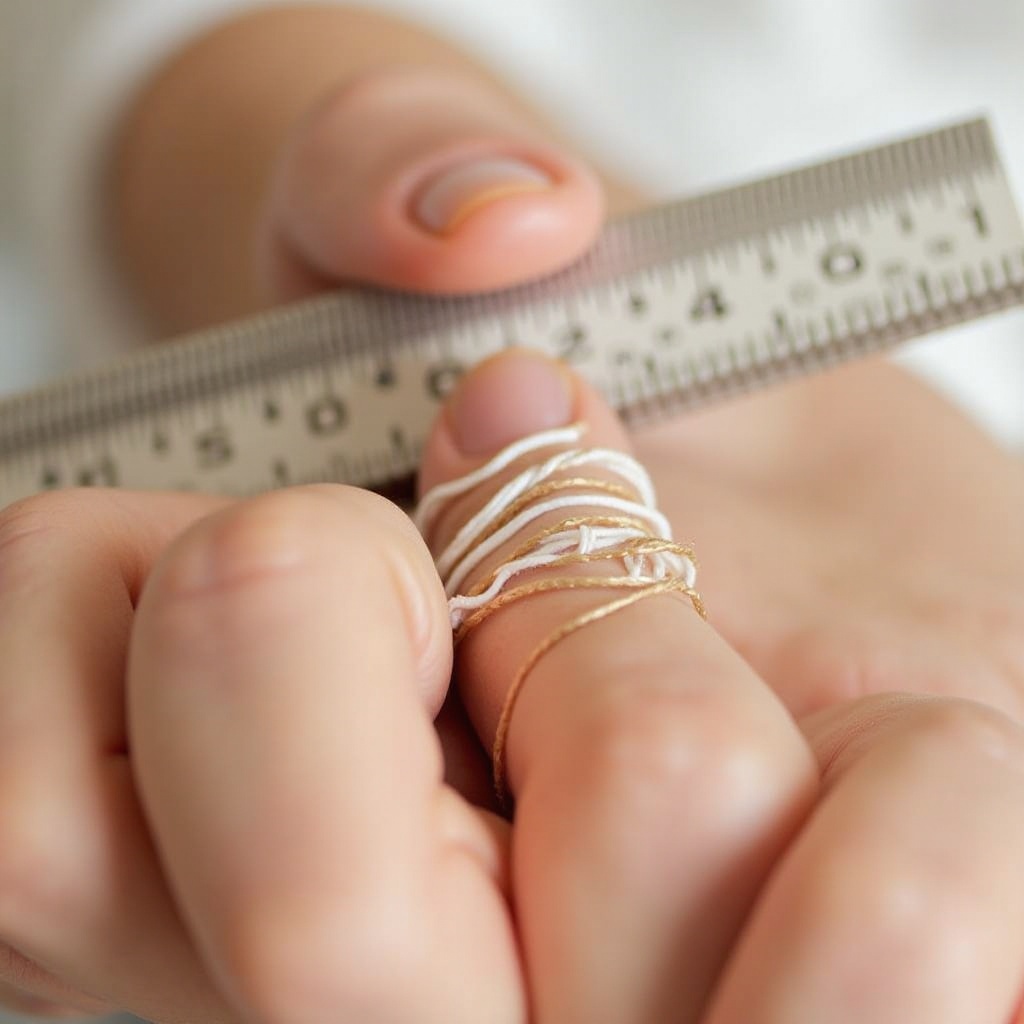
- Cut a piece of string or floss long enough to wrap around your finger.
- Wrap the string or floss around the base of your finger, ensuring it is snug but not too tight.
- Mark the point where the string overlaps with a pen or marker.
- Lay the string flat and measure the distance from the end to the marked point with a ruler.
Tips for Accuracy
- Measure your finger at the end of the day when it is largest.
- Avoid measuring your fingers when they are cold, as they can be smaller.
- Repeat the measurement a few times to ensure consistency.
Method 2: Using a Paper Strip
Another simple method involves using a strip of paper, which can be as effective as the string method.
Materials Needed
- A strip of paper (about 1 cm wide)
- A ruler or measuring tape
- A pen or marker
- Scissors
Step-by-Step Instructions
- Cut a strip of paper long enough to wrap around your finger comfortably.
- Wrap the paper strip around your finger's base, making sure it is snug.
- Mark the point where the paper overlaps.
- Use a ruler to measure the distance from the end of the paper to the marked point.
Measuring and Recording
- Convert the measured length into a ring size using a standard ring size chart.
- Ensure to write down the measurements for future reference.
Method 3: Using a Printable Ring Sizer Chart
Printable ring sizer charts can easily be found online and are convenient for home use.
Finding and Printing a Ring Size Chart
- Search for a printable ring size chart online.
- Ensure that your printer settings are set to print at 100% scale to maintain accuracy.
Using the Chart With an Existing Ring
- Find a ring that fits the intended finger well.
- Place the ring over the circles on the printed chart until you find the one that matches its inner circumference.
Ensuring Print Scale Accuracy
- Verify that the ring size chart has printed correctly by measuring a ruler printed on the page.
- If there is any discrepancy, adjust your printer settings and print again.
Method 4: Utilizing Household Items
For those who prefer not to use string or paper, common household items like a tape measure or ruler are just as effective.
Using a Flexible Tape Measure
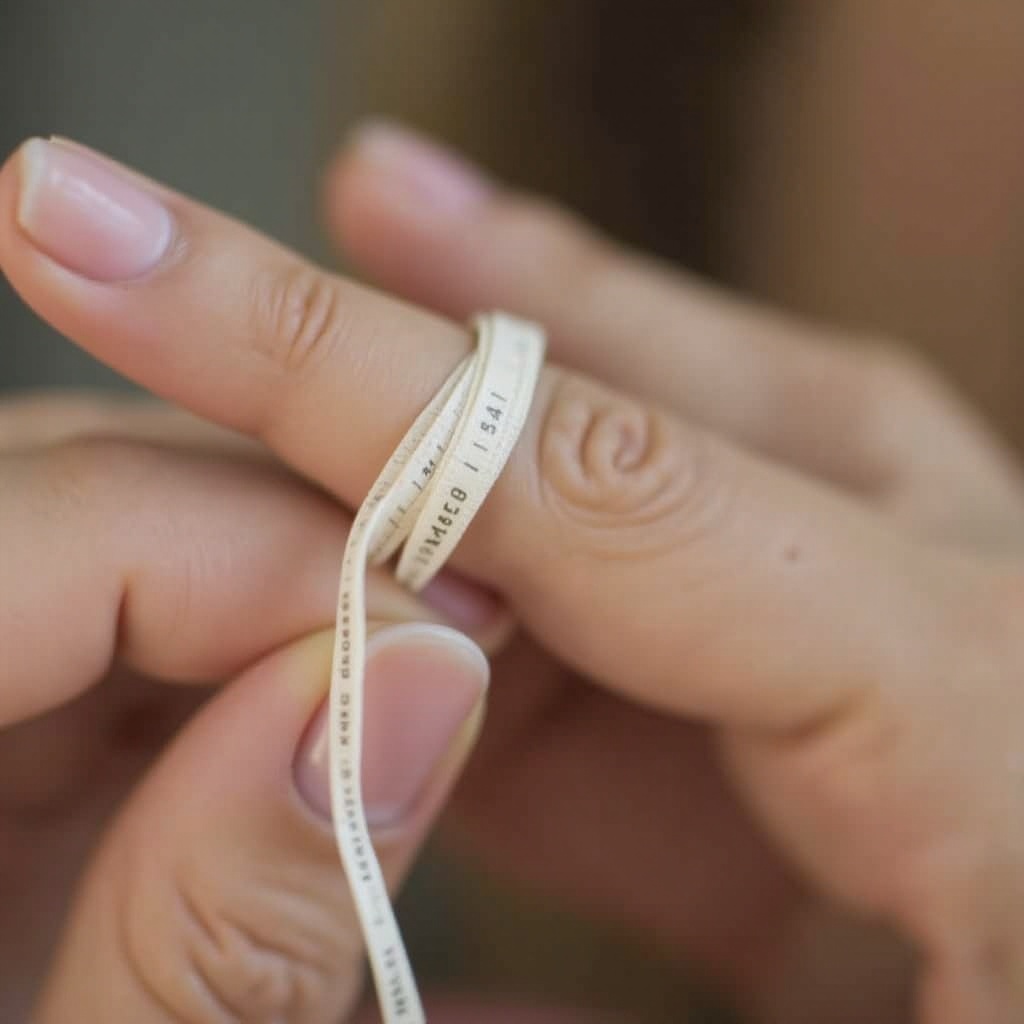
- Wrap the flexible tape measure around the base of your finger.
- Record the measurement where the tape overlaps.
Using a Ruler to Measure Circumference
- Cut a piece of non-stretchy material or thread.
- Wrap it around the base of your finger and mark the overlap.
- Lay the material flat and measure the distance with a ruler.
Converting Measurements to Standard Ring Sizes
- Use the recorded measurements to find the corresponding ring size on a standard chart.
- Double-check the conversions to ensure accuracy.
Ensuring Accuracy and Comfort
After taking measurements, verifying their accuracy and considering personal comfort is essential for the best fit.
Cross-Checking Methods
- Use at least two different methods to measure your finger.
- Compare and cross-check the results to ensure consistency.
Adjusting for Band Width
- Remember that wider bands fit tighter than narrower bands.
- Consider going up half a size when choosing a wide band ring.
Considering Finger Shape and Size Variations
- Measure your finger size at different times of the day and in varying temperatures.
- Understand that fingers can swell during the day, so it's best to measure at the end of the day.
Tips for Buying Band Rings Without Accurate Sizing Tools
When precise measurements are difficult to obtain, consider these tips.
Considering Ring Material and Width
- Choose materials that are adjustable or slightly flexible.
- Note the width of the ring, as this affects the fit.
Allowing for Knuckle Size
- Measure around the knuckle, especially if it's significantly wider than the finger's base.
- Opt for a size that can comfortably slide over the knuckle without being too loose.
Opting for Adjustable Rings
- Adjustable rings provide flexibility and can accommodate slight size variations.
- They are ideal when buying rings as gifts without exact measurements.
Conclusion
Measuring your ring size without a dedicated sizer is manageable with a few simple methods. Consistency and verification are key. By considering various factors like time of day and finger shape, you can ensure a comfortable and accurate fit for your band rings.
Frequently Asked Questions
What time of day should I measure my ring size?
It's best to measure your ring size at the end of the day when your fingers are at their largest.
How accurate are DIY ring-sizing methods compared to professional sizing?
DIY methods can be very accurate if done carefully. However, professional sizing ensures the highest accuracy.
Can I resize a ring if it doesn’t fit perfectly?
Yes, many rings can be resized by a professional jeweler, but the feasibility depends on the ring's material and design.