Creating Stunning Bracelets: Using Memory Wire for Jewelry Lovers
Introduction
Memory wire has become a staple in the world of jewelry-making due to its versatility and ease of use. It offers a unique solution for crafting stunning, adjustable bracelets without the need for clasps or complicated techniques. This guide will show you how to create eye-catching bracelets using memory wire, whether you're a novice or an experienced artisan seeking new inspiration.

What is Memory Wire?
Memory wire is a steel wire known for its ability to retain its shape, making it perfect for creating durable, flexible bracelets that adjust to any wrist. Available in various sizes, memory wire caters to different design preferences, allowing creativity without the hassle of conventional jewelry-making methods. The ease of using memory wire makes it accessible to everyone, enhancing the crafting experience by reducing the complexity typically associated with bracelet creation.
Advantages of Using Memory Wire for Bracelets
Memory wire simplifies the bracelet-making process, eliminating the need for clasps and resulting in a seamless, elegant appearance. Its sturdy nature supports a wide range of bead types and weights without losing form, making it both functional and aesthetically pleasing. Memory wire's user-friendly attributes also make it a favorite among crafting enthusiasts, from beginners to seasoned creators looking for an economical and efficient method for bracelet design.
Getting Prepared: Materials and Tools Needed
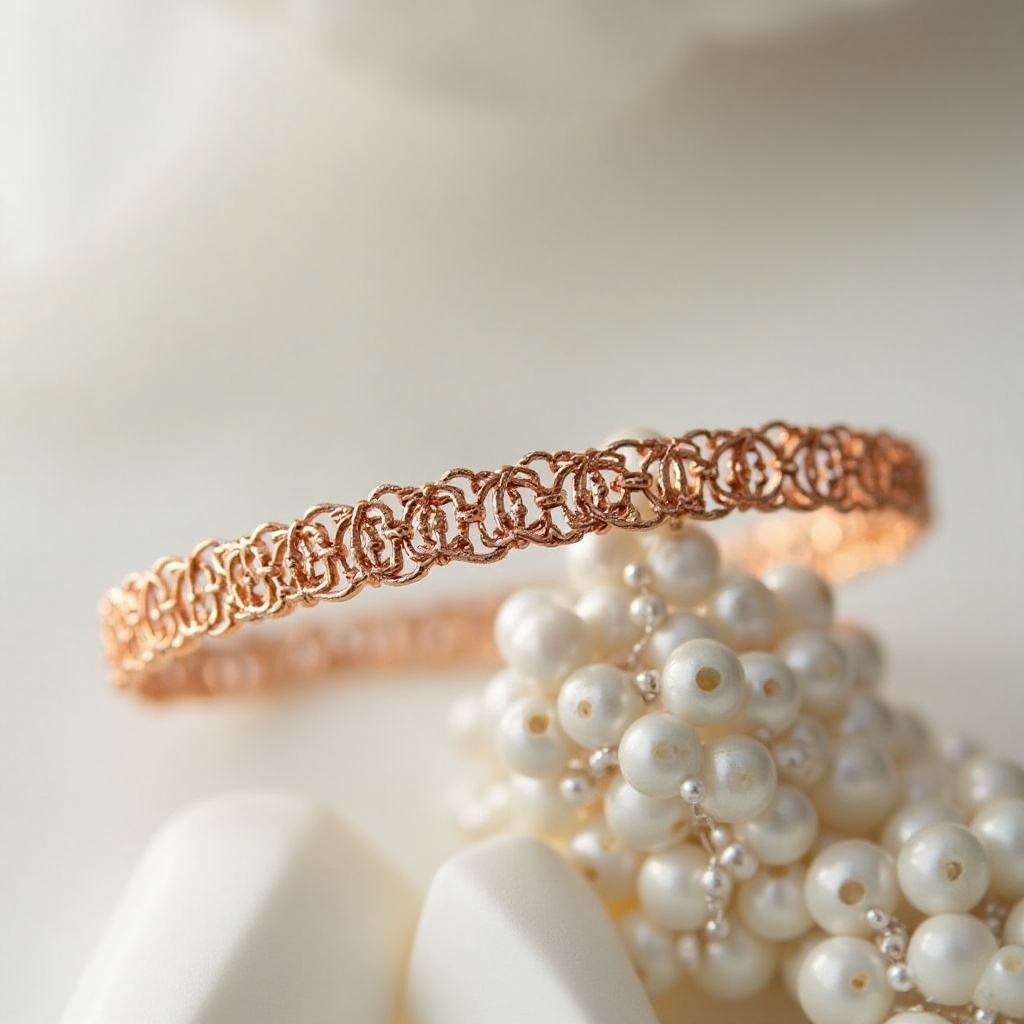
Before embarking on your bracelet creation journey, ensure you have all necessary tools and materials at hand. Proper preparation helps streamline your crafting process and enhances your overall experience, whether working on a simple design or an elaborate piece.
Selecting the Right Memory Wire
Choose a memory wire that matches the size and design of your envisioned bracelet. Heavier beads may require thicker wire for added support, while lighter designs can rely on thinner wire to provide a delicate finish.
Choosing Beads and Charms
Pick beads that resonate with your desired outcome. Consider their weight and hole size for a comfortable fit on your chosen wire. Including a mix of colors, shapes, and materials can elevate your design, adding a personal touch to your bracelet.
Essential Tools for Beading
Arm yourself with the essential tools: wire cutters for trimming wire, round-nose pliers for bending and shaping, and flat-nose pliers for gripping the wire securely as you work on your creation. Having these tools ready ensures a smooth crafting process.
Step-by-Step Guide to Making Memory Wire Bracelets
Equipped with the right tools and materials, you can now dive into creating your bracelet. Follow these steps to craft a memory wire bracelet that stands out.
Cutting and Shaping the Memory Wire
- Use wire cutters to snip your desired length of memory wire, allowing room for adjustments.
- Gently mold the wire to align with your design vision, taking care to maintain its integral form.
- Steer clear of regular scissors, as they can compromise the wire’s structure.
Designing Your Bead Pattern
- Lay out your beads in the desired pattern before threading them onto the wire. This allows easy adjustments and creativity.
- Play with various colors and textures to enhance your design’s uniqueness.
- Ensure the beads fit snugly to prevent slippage and maintain the bracelet’s form over time.
Finishing Techniques for Secure Closures
- After stringing your beads, use round-nose pliers to form a loop at the wire’s end, securing your design effectively.
- Tuck away any remaining edges to avoid discomfort when worn and ensure your bracelet’s overall safety and durability.
Creative Bracelet Designs with Memory Wire
Once you master the basics, unleash your creativity with varied designs that showcase your artistic flair. Memory wire’s versatility supports diverse styles, from simplistic elegance to detailed masterpieces.
Single-Strand vs. Multi-Strand Designs
- Opt for a single-strand design to create a simple, refined look suited for everyday wear.
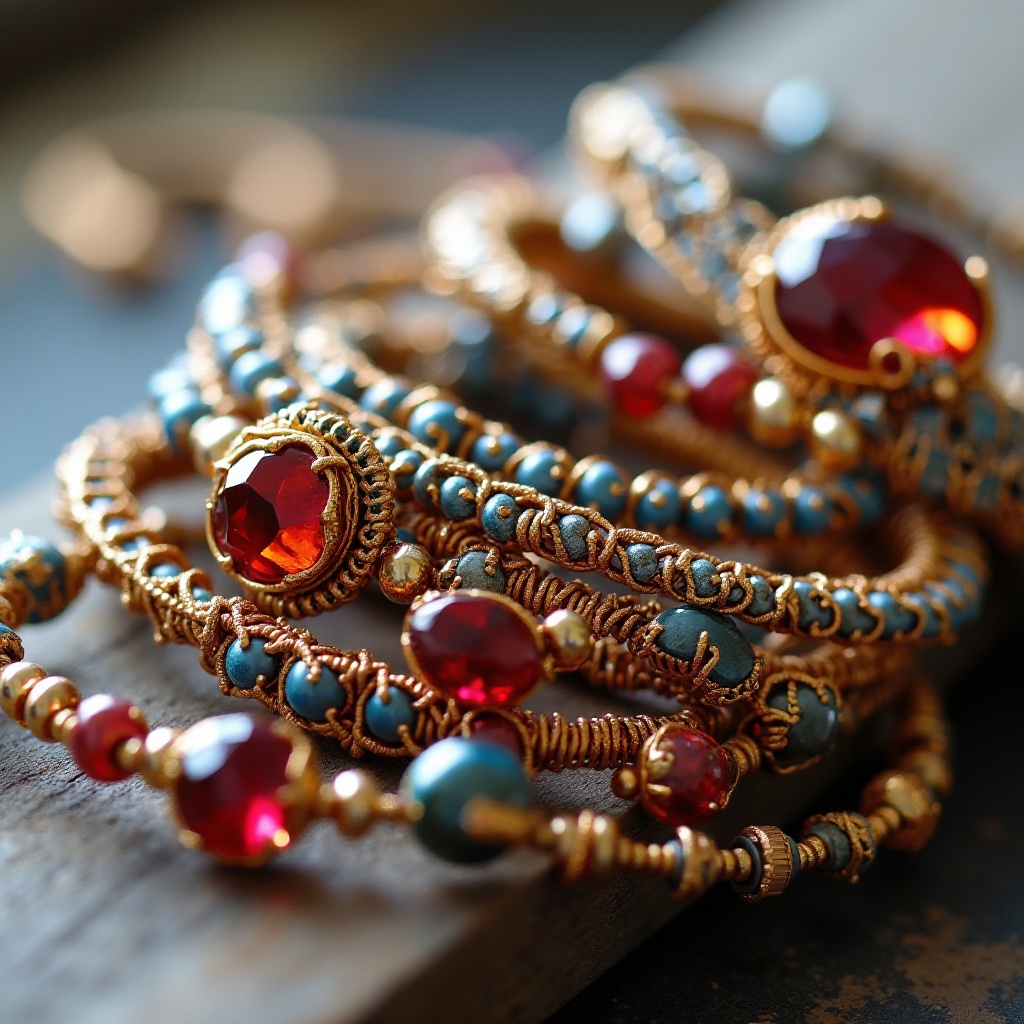
- Multi-strand bracelets offer depth and intrigue, opening opportunities for more complex, layered designs that make a statement.
Incorporating Mixed Materials
Infuse your design with diversity by using different materials such as wood, glass, and metal beads. Mixing textures and tones can transform a basic bracelet into a piece of art, adding depth and personality to your jewelry.
Troubleshooting Common Issues
Even with careful planning, challenges can arise. Here’s how to handle common issues when working with memory wire to ensure your bracelet-making process remains enjoyable and successful.
Preventing Wire Kinks
Handle the wire gently to maintain its natural curve. Avoid aggressive bending that might weaken the wire’s integrity, leading to potential kinks.
Ensuring Bead Security
Make sure your beads are securely placed and that the wire ends are properly looped. This helps in maintaining your bracelet’s structure and prevents beads from slipping off over time.
Conclusion
Creating bracelets with memory wire is a rewarding experience that opens doors to endless creativity. By mastering the techniques outlined here, you'll be well on your way to crafting beautiful, personalized jewelry that reflects your style and passion for the art.
Frequently Asked Questions
What is the best way to cut memory wire without damaging it?
Use heavy-duty wire cutters designed specifically for memory wire to ensure a clean, precise cut.
Can I use any type of beads with memory wire?
Yes, as long as the bead hole fits the memory wire. For heavier beads, you'd use thicker wire to maintain the shape.
How can I ensure my memory wire bracelet fits well on any wrist?
Design with multiple overlapping loops to provide adjustability, ensuring it comfortably fits various wrist sizes.